February Is National Heart Month

February Is National Heart Month: Simple Ways to Show Your Heart Some Love

  • Home
  • Live Well Blog
  • February Is National Heart Month: Simple Ways to Show Your Heart Some Love
February 4, 2026 General /Family

Hands-heart
eating-disorders Simple Ways to Show Your Heart Some Love

Your heart works hard for you every single day.
February is National Heart Month – a great time to learn small, simple ways to care for your and your family’s heart health. You don’t have to make big changes. Even little steps can make a big difference. It’s time to show your heart some love!

Why Heart Health Matters

Your heart is a strong muscle that pumps blood through your whole body. When your heart is healthy, you have more energy, feel better, and can keep up with your kids!

Some things help your heart stay strong, like:

Simple changes add up!
One healthy choice at a time can lead to big improvements for your heart’s health.

bac_Mom-Dau
Choose WIC Foods for Heart Health
WIC-approved foods can help you make heart-healthy choices that fit your life. Many WIC items support a strong heart by giving your body the nutrients it needs.

Here are some foods you can buy with WIC benefits and how they help support heart health:

vegetables-background
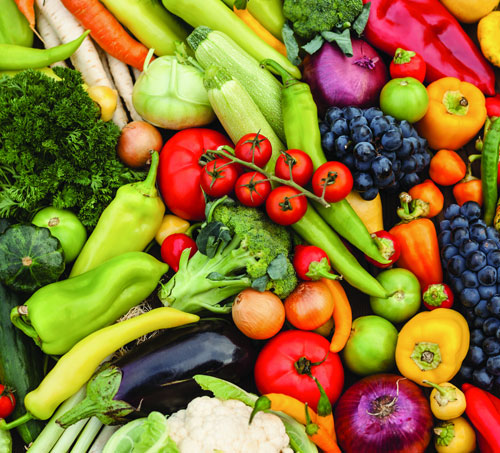
Fruits and Vegetables (fresh, frozen, or canned):

Full of vitamins, minerals, and fiber. Eating more fruits and veggies can help lower blood pressure and support a healthy weight.


bac_Breads-Grains
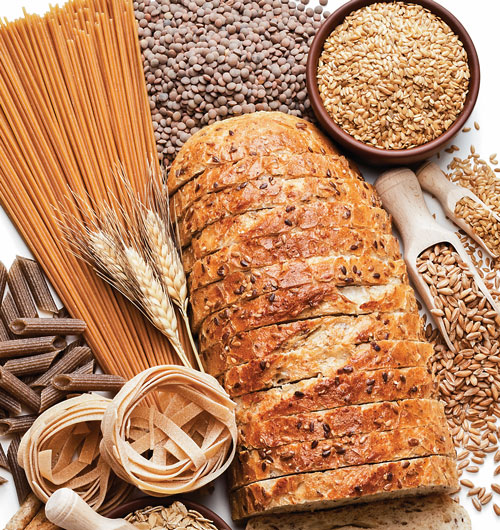
Whole Grains (whole-wheat bread, brown rice, whole-wheat pasta, oats):

Whole grains help you feel full longer and can help protect your heart by lowering “bad” (LDL) cholesterol.
bac_beans_lentils
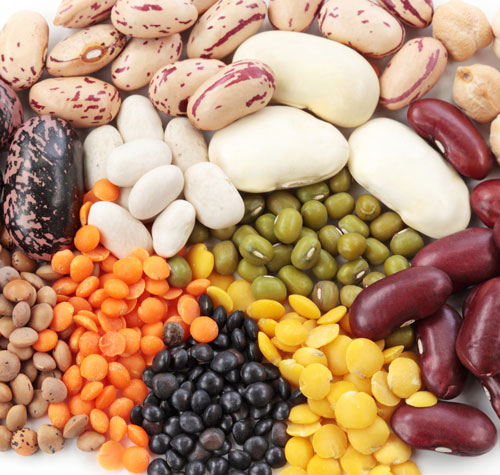
Beans and Peas (pinto beans, black beans, kidney beans, lentils):

High in fiber and protein. Beans help keep cholesterol levels healthy and give you long-lasting energy.
bac_dairy
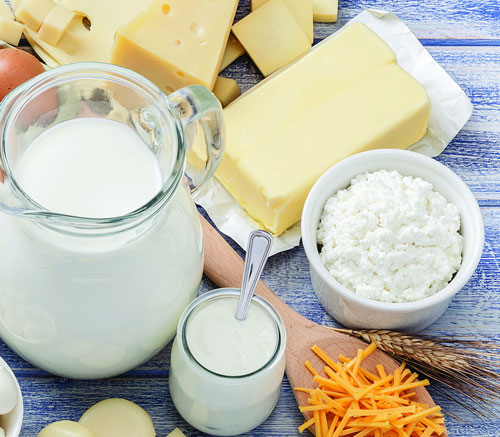
Low-Fat or Fat-Free Milk, Yogurt, and Cheese:

These foods give your body calcium and protein without too much saturated fat. Low-fat dairy supports strong bones and a healthy heart.

bac_egg_fried
Eggs:

A great source of protein. Eggs help build muscle and keep you feeling satisfied.

bac_tuna_in_white_bowl
Canned Fish (like canned tuna or salmon):

Full of healthy omega-3 fats that are good for your heart and brain.
peanut-butter
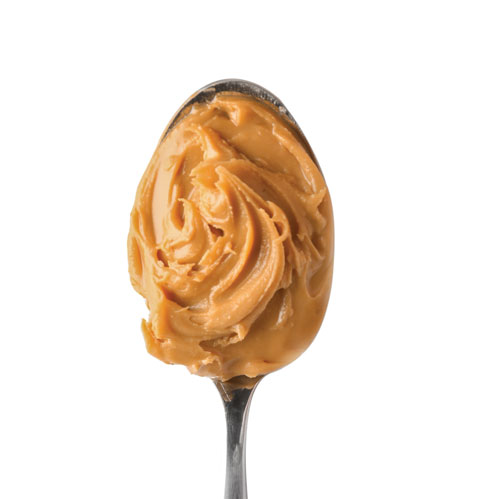
Nut Butters (peanut butter):

Peanut butter gives you healthy fats and protein. When eaten in small amounts, these good fats can help protect your heart.
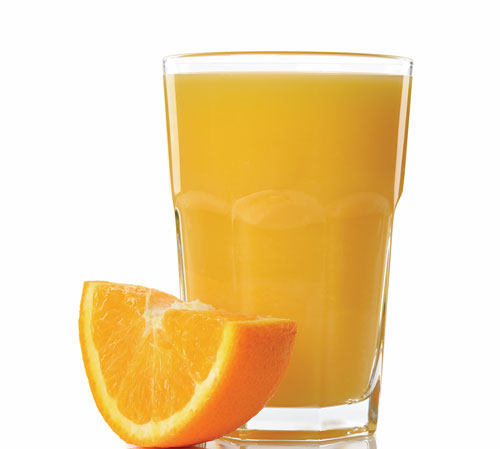
fruit-Juice
100% Fruit Juice (in small amounts):

Offers vitamins and antioxidants. A small serving can add flavor and nutrition to your day. Try mixing a couple ounces of 100% fruit juice with 8 ounces of water for a flavorful way to stay hydrated.

Choosing WIC foods makes it easier to care for your heart and your family’s health – one meal, one snack, and one small step at a time.

way to eat seeds Heart-Healthy Veggie & Bean Quesadilla
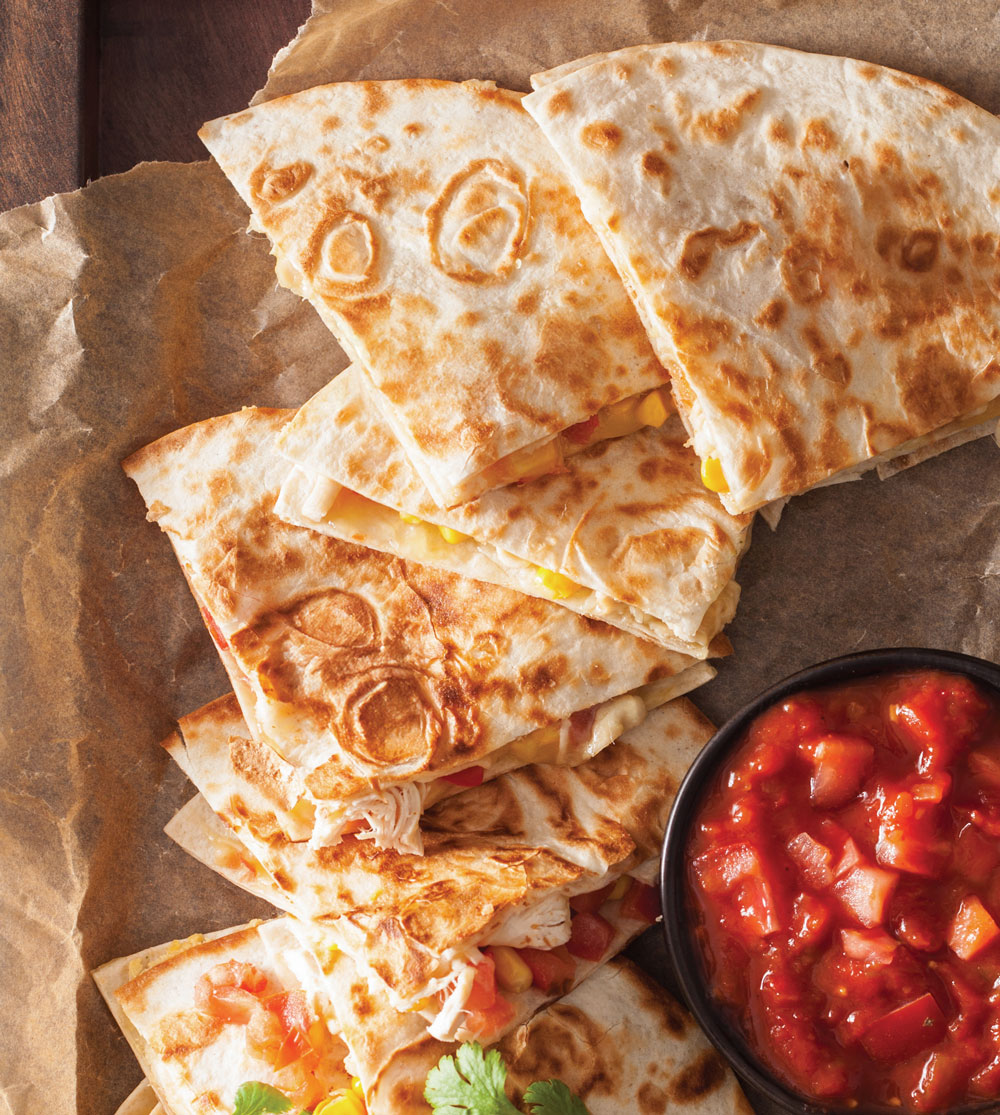
This simple, heart-healthy recipe uses WIC foods and takes only a few minutes. It offers fiber, protein, and whole grains which are all great to support heart health.

Ingredients

1 whole-wheat tortilla
¼ cup canned beans, drained and rinsed
¼ cup shredded cheese
¼ cup canned or fresh chopped veggies (like canned
corn, or chopped peppers, spinach, or tomatoes)
A little oil or spray for the pan

ToppingQuesadillas

Directions

Chia-Pudding
1.

Heat a small pan on medium heat.

tortilla
2.

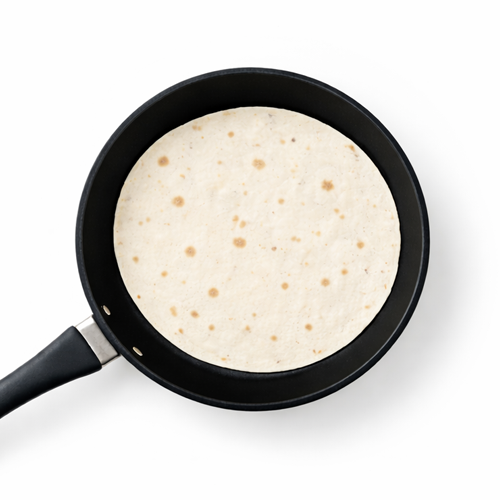
Place the tortilla in the pan.

veggies-cheese
3.

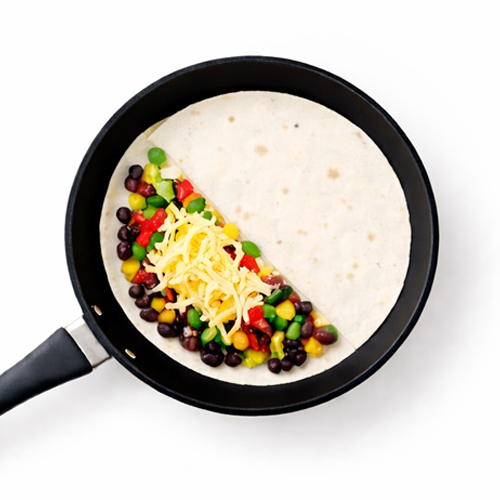
Add beans, veggies, and cheese on one half.

tortilla
4.

Fold the tortilla over the filling.

warm-lightly
5.

Cook 2–3 minutes per side until warm and lightly browned.
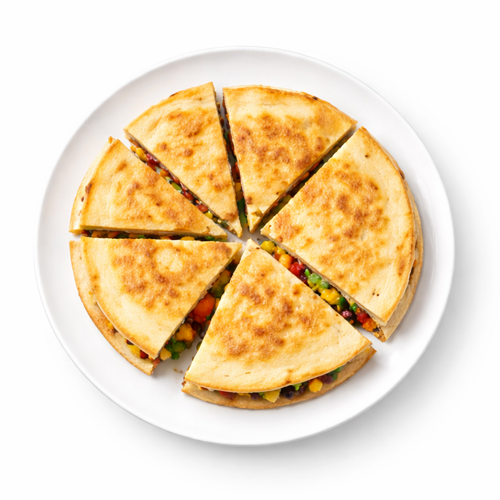
Slice-and-serve
6.

Slice and serve.

Wintertime Heart-Healthy Activities

Staying physically active helps your heart stay strong, but sometimes winter can make it tough to get moving.

Here are simple ways to stay active even when it’s too cold to be outside:

Move indoors
MAKE MOVEMENT FUN
BUNDLE UP AND GO OUTSIDE

When the weather is safe:

Even 5–10 minutes of movement at a time helps your heart stay strong. Every bit of activity adds up!

REFERENCES:

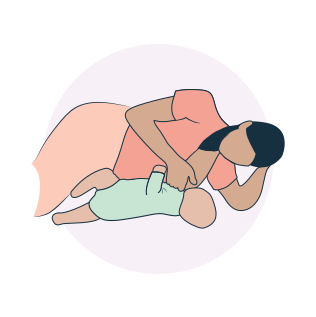
Side-Lying

Side-Lying Hold

  1. For the right breast, lie on your right side with your baby facing you.
  2. Pull your baby close. Your baby’s mouth should be level with your nipple.
  3. In this position, you can cradle your baby’s back with your left arm and support yourself with your right arm and/or pillows.
  4. Keep loose clothing and bedding away from your baby.
  5. Reverse for the left breast.

This hold is useful when:

cross-cradle

Cross-Cradle Hold

  1. For the right breast, use your left arm to hold your baby’s head at your right breast and baby’s body toward your left side. A pillow across your lap can help support your left arm.
  2. Gently place your left hand behind your baby’s ears and neck, with your thumb and index finger behind each ear and your palm between baby’s shoulder blades. Turn your baby’s body toward yours so your tummies are touching.
  3. Hold your breast as if you are squeezing a sandwich. To protect your back, avoid leaning down to your baby. Instead, bring your baby to you.
  4. As your baby’s mouth opens, push gently with your left palm on baby’s head to help them latch on. Make sure you keep your fingers out of the way.
  5. Reverse for the left breast.

This hold is useful when:

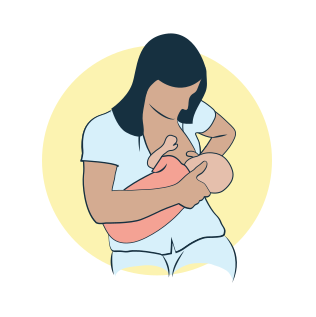
Football

Clutch or “Football” Hold

  1. For the right breast, hold your baby level, facing up, at your right side.
  2. Put your baby’s head near your right nipple and support their back and legs under your right arm.
  3. Hold the base of your baby’s head with your right palm. A pillow underneath your right arm can help support your baby’s weight.
  4. To protect your back, avoid leaning down to your baby. Bring baby to you instead.
  5. Reverse for the left breast.

This hold is useful when:

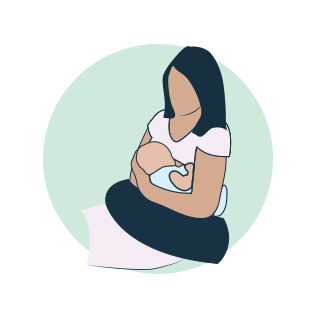
CRADLE hold

Cradle Hold

  1. For the right breast, cradle your baby with your right arm. Your baby will be on their left side across your lap, facing you at nipple level.
  2. Your baby’s head will rest on your right forearm with your baby’s back along your inner arm and palm.
  3. Turn your baby’s tummy toward your tummy. Your left hand is free to support your breast, if needed. Pillows can help support your arm and elbow.
  4. To protect your back, avoid leaning down to your baby. Instead, bring your baby to you.
  5. Reverse for the left breast.

This hold is useful when:

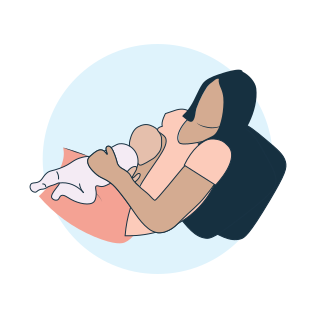
laid-back

Laid-Back Hold

  1. Lean back on a pillow with your baby’s tummy touching yours and their head at breast level. Some moms find that sitting up nearly straight works well. Others prefer to lean back and lie almost flat.
  2. You can place your baby’s cheek near your breast, or you may want to use one hand to hold your breast near your baby. It’s up to you and what you think feels best.
  3. Your baby will naturally find your nipple, latch, and begin to suckle.

This hold is useful when: