Assorted canned seafood and vegetables

Simple Meals with Canned Fish: Easy, Healthy & Budget-Friendly Ideas

  • Home
  • Live Well Blog
  • Simple Meals with Canned Fish: Easy, Healthy & Budget-Friendly Ideas
June 17, 2026 Recipes

Food Fish Simple Meals with Canned Fish

Canned fish is a quick, easy, and affordable way to add healthy protein to your meals. Options like tuna, salmon, and sardines are packed with nutrients that help your family grow strong and stay healthy.

If you’re short on time or cooking for a busy household, canned fish can be a great go-to.

question true Why Choose Canned Fish?

Canned fish has many health benefits:

Some canned fish, like salmon and sardines, even have soft, edible bones that provide extra calcium. Don’t worry, the soft bones are safe to eat (they’re pressure-cooked and very tender).

Did you Know?

Blue Blub Tips for Choosing Canned Fish

Concentric circles How to Safely Serve Canned Fish

Flaking canned tuna in bowl
Mash Well
Mother feeding baby with spoon
Start Small
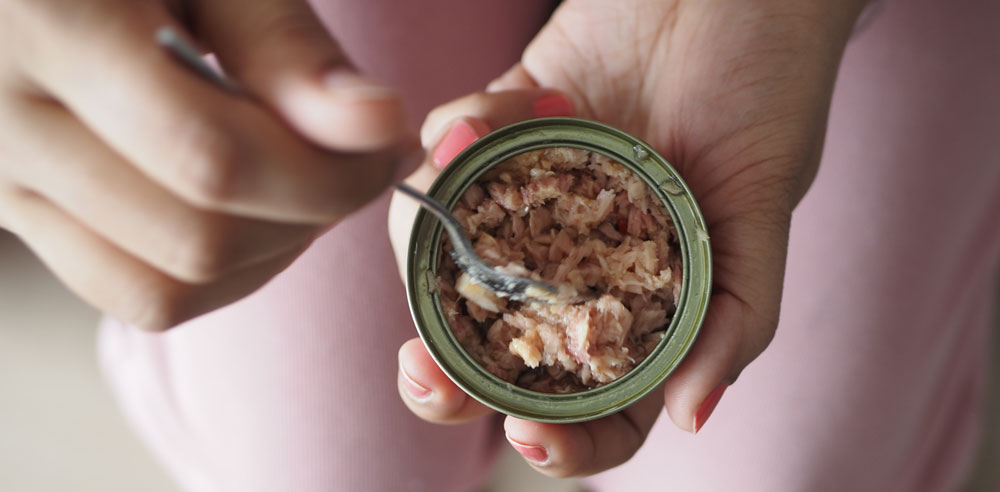
Person holding open can tuna
What About Mercury?
Hands washing thoroughly with soap
Food Safety Tips

cook Easy Ways to Use Canned Fish

Canned fish is already cooked, so it’s ready to eat right away. Here are some simple ways to use it:

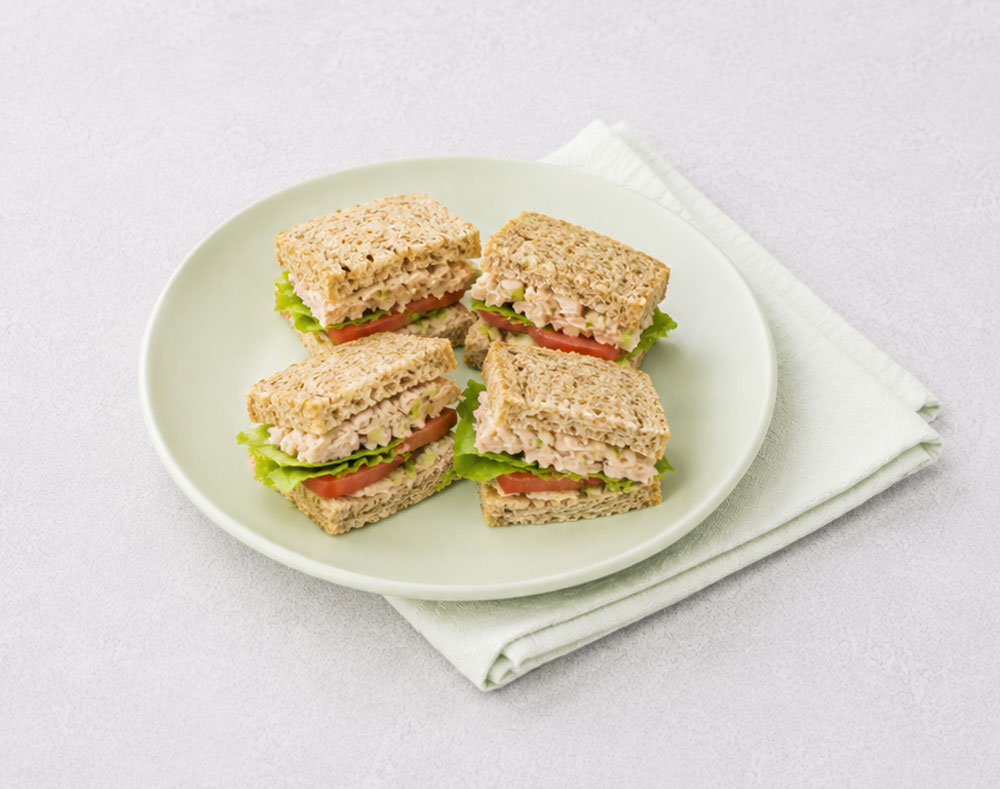
Tuna sandwiches with vegetables sliced

MAKE A SANDWICH

Mix canned tuna or salmon with a little mayo or yogurt. Toss in some chopped celery for a little crunch, if desired. Spread on whole grain bread with lettuce or tomato.

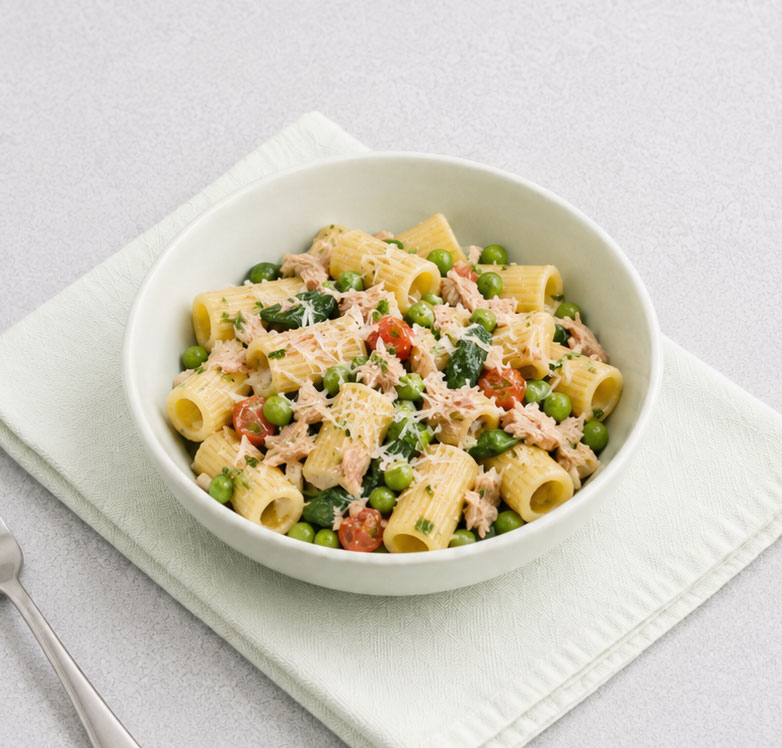
ADD TO PASTA OR RICE

Stir canned fish into warm pasta or rice. Add vegetables like peas, spinach, or tomatoes, and mix in some shredded cheese for a complete meal.

Pasta with tuna and vegetables
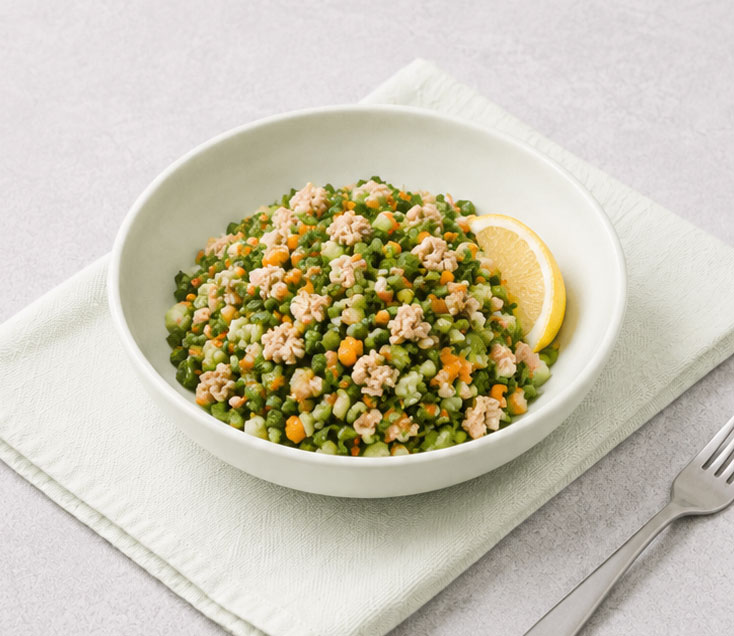
Grain salad with vegetables lemon

CREATE A QUICK SALAD

Mix canned fish with mixed greens and chopped veggies like cucumbers, carrots, or bell peppers. Add a splash of lemon juice or dressing, if desired.

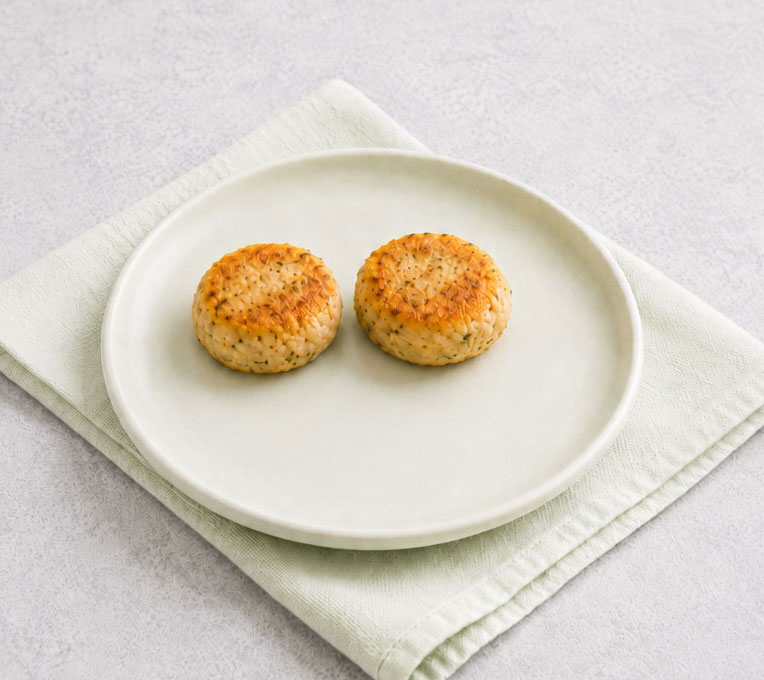
MAKE FISH CAKES

Combine canned fish with breadcrumbs, egg, and seasonings (like salt, pepper, garlic or onion powder, or Italian seasoning). Shape into small patties and cook in a pan until golden. If offering to young children, keep flavors mild and skip anything too salty or spicy.

Golden tuna cakes on plate

stacked rounded rectangles Canned Fish Recipes to Try

TUNA & VEGGIE WRAP

Ingredients

Directions

Tuna wraps with vegetable sides

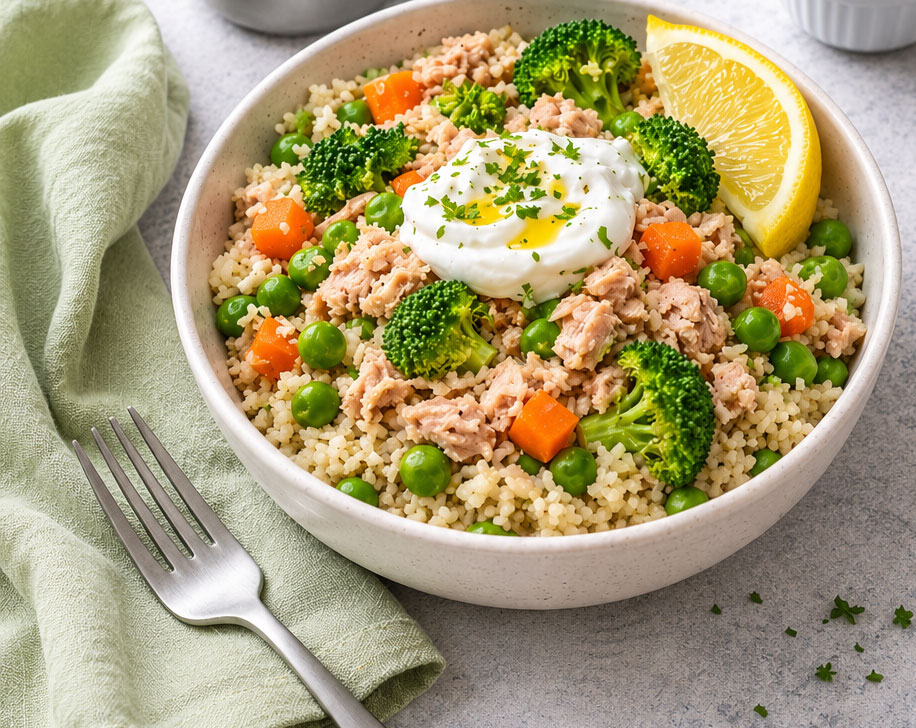
SALMON & RICE BOWL

Tuna couscous bowl with vegetables
Tip!

For younger babies, mash everything well or serve components separately for easier eating.

Ingredients

Directions

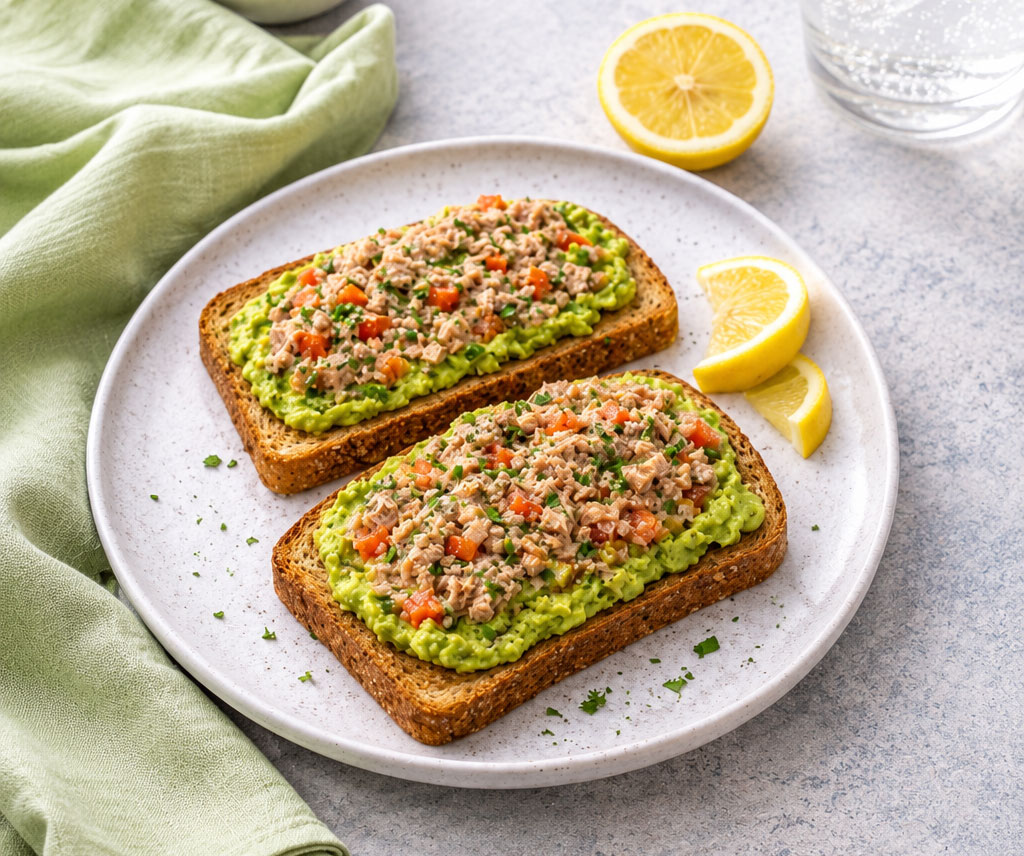
SARDINE TOAST WITH LEMON & AVOCADO

Ingredients

Directions

Tuna avocado toast with lemon
Tip!
For younger children, mash everything together and serve on soft toast or as a spread with crackers.

REFERENCES:

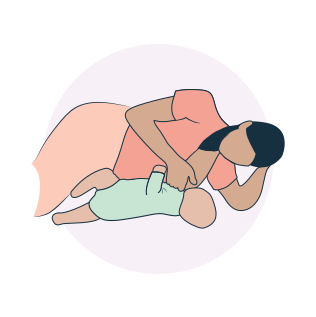
Side-Lying

Side-Lying Hold

  1. For the right breast, lie on your right side with your baby facing you.
  2. Pull your baby close. Your baby’s mouth should be level with your nipple.
  3. In this position, you can cradle your baby’s back with your left arm and support yourself with your right arm and/or pillows.
  4. Keep loose clothing and bedding away from your baby.
  5. Reverse for the left breast.

This hold is useful when:

cross-cradle

Cross-Cradle Hold

  1. For the right breast, use your left arm to hold your baby’s head at your right breast and baby’s body toward your left side. A pillow across your lap can help support your left arm.
  2. Gently place your left hand behind your baby’s ears and neck, with your thumb and index finger behind each ear and your palm between baby’s shoulder blades. Turn your baby’s body toward yours so your tummies are touching.
  3. Hold your breast as if you are squeezing a sandwich. To protect your back, avoid leaning down to your baby. Instead, bring your baby to you.
  4. As your baby’s mouth opens, push gently with your left palm on baby’s head to help them latch on. Make sure you keep your fingers out of the way.
  5. Reverse for the left breast.

This hold is useful when:

Football

Clutch or “Football” Hold

  1. For the right breast, hold your baby level, facing up, at your right side.
  2. Put your baby’s head near your right nipple and support their back and legs under your right arm.
  3. Hold the base of your baby’s head with your right palm. A pillow underneath your right arm can help support your baby’s weight.
  4. To protect your back, avoid leaning down to your baby. Bring baby to you instead.
  5. Reverse for the left breast.

This hold is useful when:

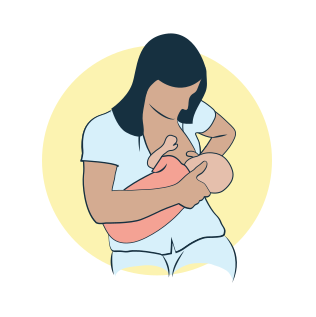
CRADLE hold

Cradle Hold

  1. For the right breast, cradle your baby with your right arm. Your baby will be on their left side across your lap, facing you at nipple level.
  2. Your baby’s head will rest on your right forearm with your baby’s back along your inner arm and palm.
  3. Turn your baby’s tummy toward your tummy. Your left hand is free to support your breast, if needed. Pillows can help support your arm and elbow.
  4. To protect your back, avoid leaning down to your baby. Instead, bring your baby to you.
  5. Reverse for the left breast.

This hold is useful when:

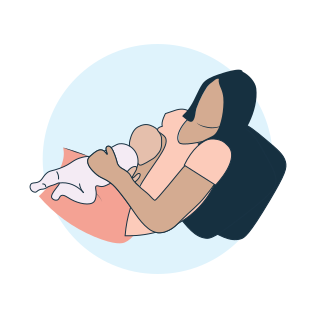
laid-back

Laid-Back Hold

  1. Lean back on a pillow with your baby’s tummy touching yours and their head at breast level. Some moms find that sitting up nearly straight works well. Others prefer to lean back and lie almost flat.
  2. You can place your baby’s cheek near your breast, or you may want to use one hand to hold your breast near your baby. It’s up to you and what you think feels best.
  3. Your baby will naturally find your nipple, latch, and begin to suckle.

This hold is useful when: